Optimal Timing for Foundation Repairs
Understanding the optimal timing for foundation repairs can help ensure the effectiveness and longevity of the work. Factors such as weather conditions, soil stability, and seasonal temperature changes influence when repairs should be scheduled. Typically, mild and dry weather conditions are ideal to prevent delays and complications during the repair process.
Spring offers moderate temperatures and less extreme weather, making it suitable for foundation work. However, increased rainfall can sometimes cause delays.
Summer provides warm, dry conditions ideal for foundation repairs. It's often the preferred season for scheduling extensive work.
Fall can be suitable due to cooler temperatures and less precipitation, but early frost can impact some repair methods.
Winter is generally less ideal due to cold temperatures, snow, and frozen ground, which can hinder repair activities.
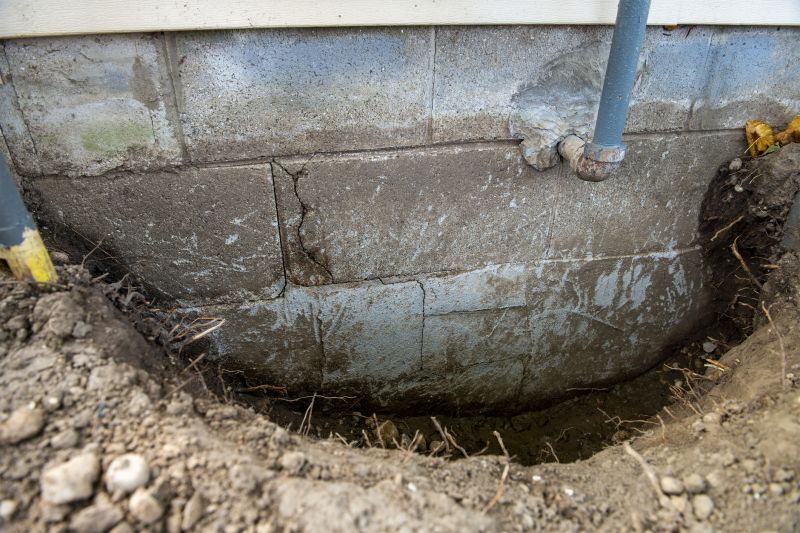
Cracks in the foundation can indicate shifting and require timely repairs.
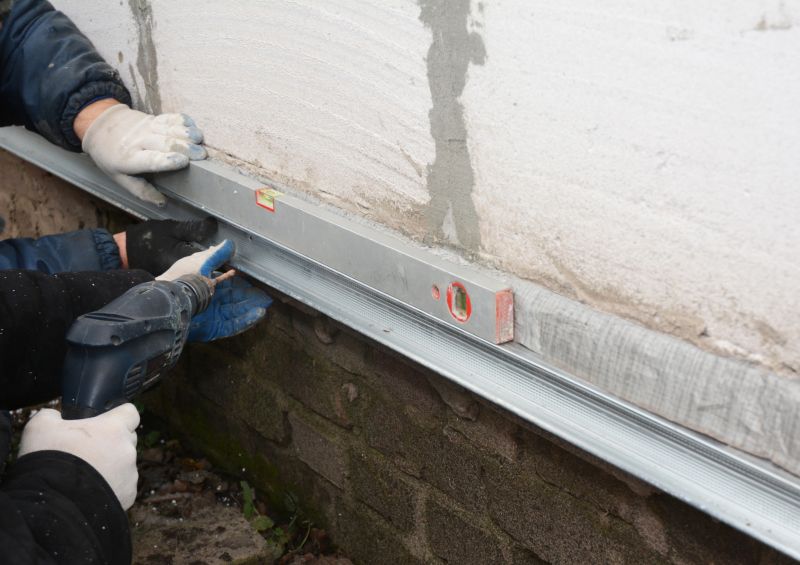
Soil movement can cause foundation issues, emphasizing the importance of scheduling repairs during stable conditions.
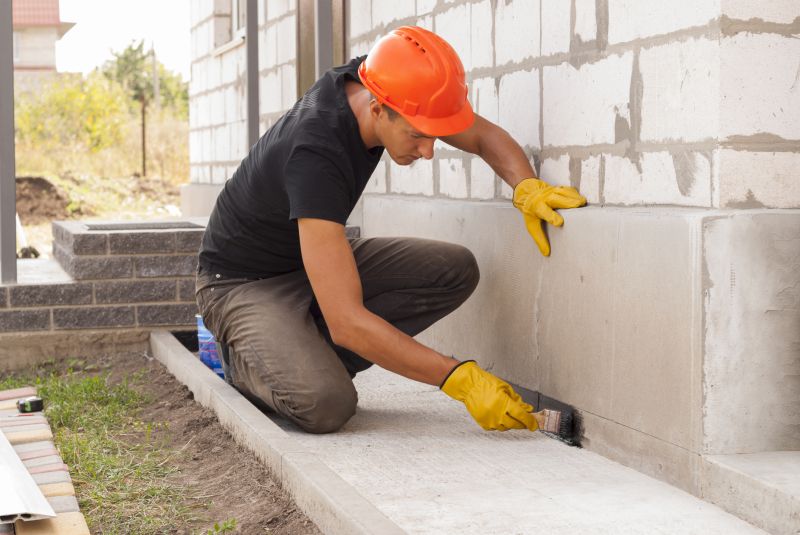
Regular inspections help identify issues early and determine the best time for repairs.
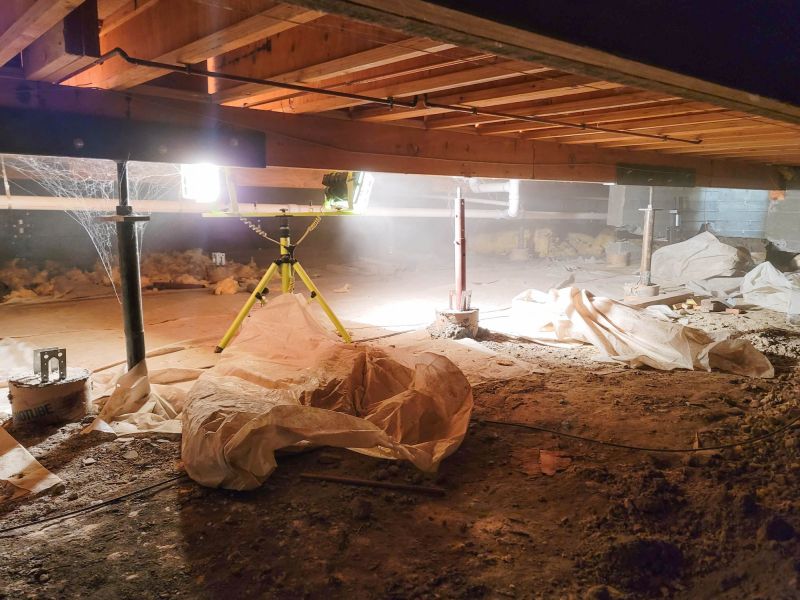
Ways to make Foundation Repairs work in tight or awkward layouts.
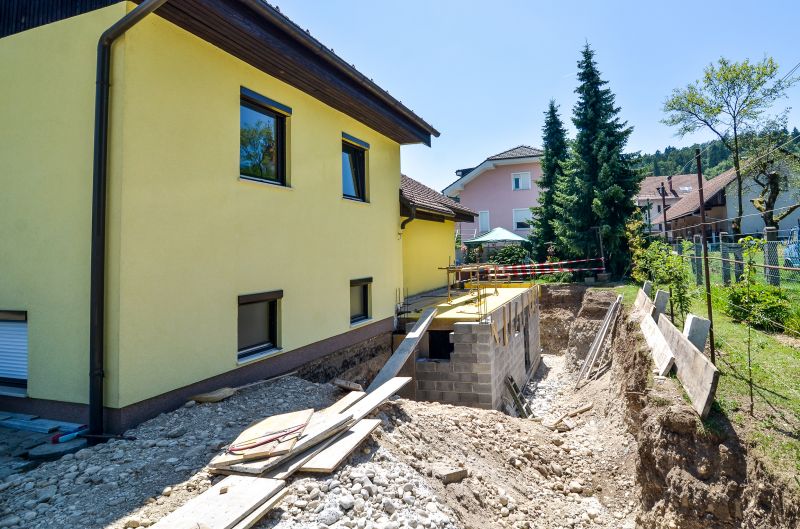
Popular materials for Foundation Repairs and why they hold up over time.
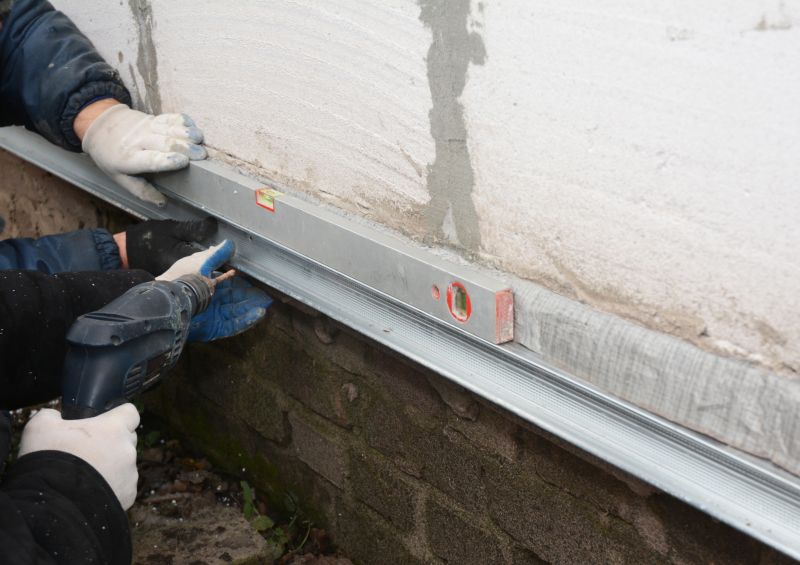
Simple add-ons that improve Foundation Repairs without blowing the budget.
| Season | Optimal Conditions |
|---|---|
| Spring | Moderate temperatures, less extreme weather, potential rainfall delays |
| Summer | Warm, dry weather ideal for extensive repairs |
| Fall | Cooler temperatures, less precipitation, early frost considerations |
| Winter | Cold temperatures, snow, frozen ground generally unsuitable |
Foundation repairs are critical to maintaining the stability and safety of a structure. Addressing issues promptly can prevent further damage and costly repairs in the future. Common signs that repairs are needed include visible cracks, uneven floors, and sticking doors or windows. Soil conditions, weather patterns, and the severity of existing damage all influence the timing and approach to repairs.